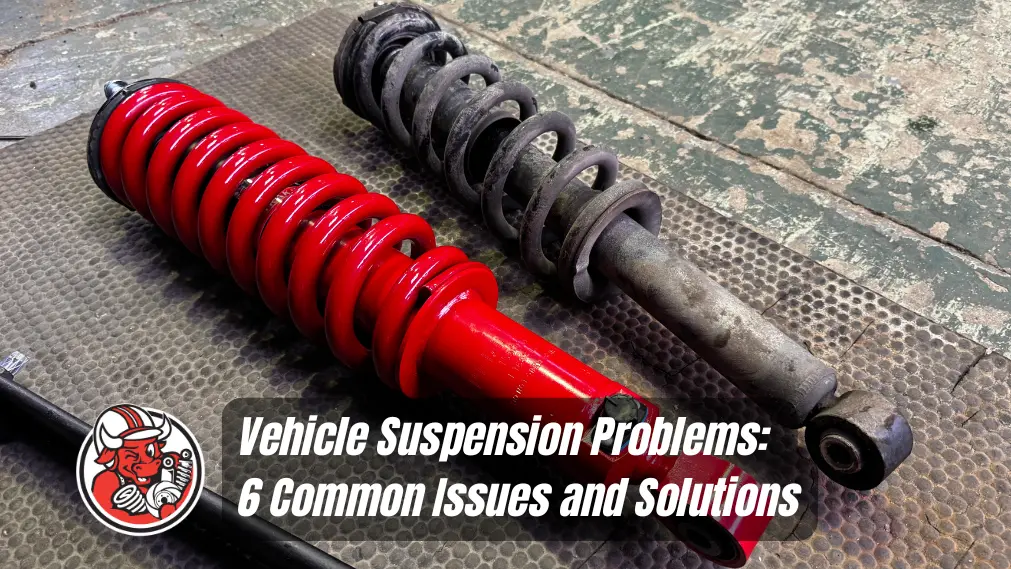
Vehicle Suspension Problems: 6 Common Issues and Solutions
Car suspension problems can sneak up on you, but they often show clear warning signs. Your vehicle’s suspension system plays a crucial role in maintaining a smooth and comfortable ride.
If you start to feel every bump on the road, it's a strong sign that your shock absorbers or struts need checking. Additionally, pay attention to any creaking or knocking sounds when driving over bumps. These noises might mean your suspension components are worn out or broken.
Performing a simple bounce test can also help identify issues. Push down on your car's bonnet and see how many times the car bounces before settling. Excessive bouncing suggests a problem with the shock absorbers.
Stay alert for these warning signs to ensure your car's handling remains safe and reliable. Keep reading this guide
Basics of Vehicle Suspension
Vehicle suspension is crucial for ensuring a smooth and stable ride by maintaining constant contact between the tyres and the road. Essential components and different types of suspension systems play a vital role in achieving this.
Components and Functionality
The car suspension system includes springs, shock absorbers, struts, control arms, ball joints and bushings. These serve the following functions:
- Springs (coil, leaf or torsion bar) – support the vehicle's weight and absorb road shocks.
- Shock absorbers and struts control spring movement and ensure a smooth ride.
- Control arms connect the wheels to the vehicle's frame, allowing for controlled movement.
- Ball joints facilitate smooth steering and suspension motion, while bushings reduce friction between the moving parts.
Types of Suspension Systems
There are several types of suspension systems, each with its own benefits. The main types include independent, dependent and semi-independent systems.
Independent suspension allows each wheel to move separately, enhancing ride quality and handling. Common examples include MacPherson struts and double wishbone systems.
Dependent suspension, or solid axle, links the wheels on the same axle, usually found on trucks and off-road vehicles for its durability and load-bearing capacity.
Semi-independent suspension combines aspects of both, offering a balance between comfort and stability, often found in the rear suspension of many front-wheel-drive vehicles.
6 Common Suspension Problems and Diagnosis
Problems with a vehicle's suspension can lead to an uncomfortable ride and safety risks. Understanding common signs and their diagnosis can help you identify and address issues promptly.
1. Pulling to One Side while Driving
When your car pulls to one side, it’s often a sign of misaligned wheels or uneven tyre pressure. Faulty components like control arms or a broken spring can cause this too.
Ensure your tyres are properly inflated and check wheel alignment. If misalignment persists, have suspension components like ball joints inspected by a professional.
2. More Bumpy Rides
If you start to feel every bump on the road, your suspension might be to blame. Worn out shock absorbers or springs often cause a bumpy ride.
Leaking or broken shock absorbers fail to cushion bumps effectively, leading to an uncomfortable ride. The bounce test can reveal if shocks need replacement: press down firmly on a corner of your car and see how many times it bounces.
3. Difficulty with Steering
Steering problems could indicate issues with the power steering system or suspension components. You might notice a creaking or squealing sound while turning.
This could be due to worn tie rods or a failing power steering pump. Leaking power steering fluid is another sign. Have a technician check the steering and suspension system for any damage.
4. Car Sits Lower during Stops
Another common indicator is if your car appears to sit lower on one side when parked on a flat surface. If your car appears lower on one side or sags at the back, it might have a worn or damaged spring. Springs support the weight of the car and maintain a level ride.
Check for any visible damage to the springs. If one side of the car sits lower, replace the damaged spring to restore stability.
5. Oily Shock Absorbers
Shock absorbers should always be dry. If you find oil on them, it indicates a leak, which reduces their effectiveness.
Leaking shocks can result in poor handling and excessive bouncing. Inspect your shock absorbers regularly and replace any that show signs of leakage.
6. Diving, Rolling or Squatting
If your car dives when braking, rolls when cornering or squats during acceleration, it suggests failing shocks or struts. These components absorb impact and keep the car stable.
You might also hear a clunking noise if they are worn out. Ensuring your shocks and struts are in good condition is vital for a smooth and safe ride.
What are the Risks of Driving with Suspension Issues?
Driving with car suspension issues can harm both your safety and your vehicle. Poor handling and increased stopping distances make the journey more dangerous. Long-term damage may occur to other parts of your car, potentially leading to costly repairs.
Handling and Safety Concerns
A damaged suspension puts your safety at risk. For instance, you may notice poor handling, with the steering wheel feeling less responsive.
This is due to worn or broken suspension components like shock absorbers or springs. Steering difficulties become more apparent at both high and low speeds, making your car harder to control.
A key safety risk is the increased stopping distance. With a damaged suspension system, excessive bouncing can affect how quickly your car can stop. This makes sudden braking dangerous, especially in emergencies.
Another issue is stability. If one side of the car sits lower, it can be unstable.
This uneven wear can cause a bumpier ride and affect the car’s alignment. Incorrect wheel alignment further worsens handling, leading to uneven tyre wear.
Long-Term Damage Risks
Ignoring suspension issues can lead to long-term damage to your vehicle. For example, driving with poor suspension can put extra strain on other car parts like the steering system and brakes. This extra load can cause additional wear, leading to more problems down the line.
A failing suspension can also lead to damage to the tyres. Uneven wear can shorten tyre life, making them less effective. This not only affects ride quality but also increases the risk of tyre blowouts.
Neglecting suspension repairs can ruin components like the anti-roll bar and control arms. Over time, loose or damaged parts can cause squealing or clunking noises, making drives uncomfortable and potentially dangerous.
Professional Solutions and Maintenance
To keep your car's suspension system in good shape, regular maintenance and knowing when to consult a professional are crucial. Taking care of your suspension can help ensure a smooth and safe ride.
When to Consult a Mechanic
Your vehicle's suspension will show signs when it needs professional attention. If you notice uneven tyre wear, clunking noises or difficulty steering, it's time to see a qualified mechanic or a suspension repair specialist. Mechanics can check components like shocks and struts, control arms and ball joints.
Professional technicians have the tools to diagnose issues that may not be visible to the untrained eye. They can perform a thorough suspension check to identify worn or damaged parts. Maintaining a safe, comfortable ride means addressing these issues before they lead to more severe problems.
Maintenance to Prevent Suspension Wear
Regular maintenance helps prevent suspension problems. First, make sure your tyres are always at the correct pressure. Proper tyre pressure helps maintain even wear and optimal suspension performance. Check your tyre pressure monthly.
suspension performance. Check your tyre pressure monthly. Wheel alignment is essential for a healthy suspension system. Misaligned wheels can cause uneven tyre wear and poor handling. Schedule an alignment check at least once a year and whenever you replace tyres.
A qualified mechanic should also conduct periodic inspections. They can catch early signs of wear and tear in suspension components like shocks, struts and control arms. Replacing these parts when they're worn out keeps your car stable and comfortable.
Contact Pedders Suspension Today to Get Suspension Parts
It’s incredibly important to deal with suspension issues, as soon as they arise. It can avoid most costly repairs down the road and it prevents the extra risk you have driving with a faulty vehicle.
If you need to upgrade your car’s suspension system, we, at Pedders Suspension can help you. We offer a range of parts for your car, including a variety of popular vehicles, including Mitsubishi Pajero, Nissan X-Trail, Toyota Landcruiser and Volkswagen Amarok.
Contact us today with any questions you may have or just if you want more information about our parts. You can reach us at 01296 711044 or info@pedders.co.uk.
Last update: 2026-04-07 by admin