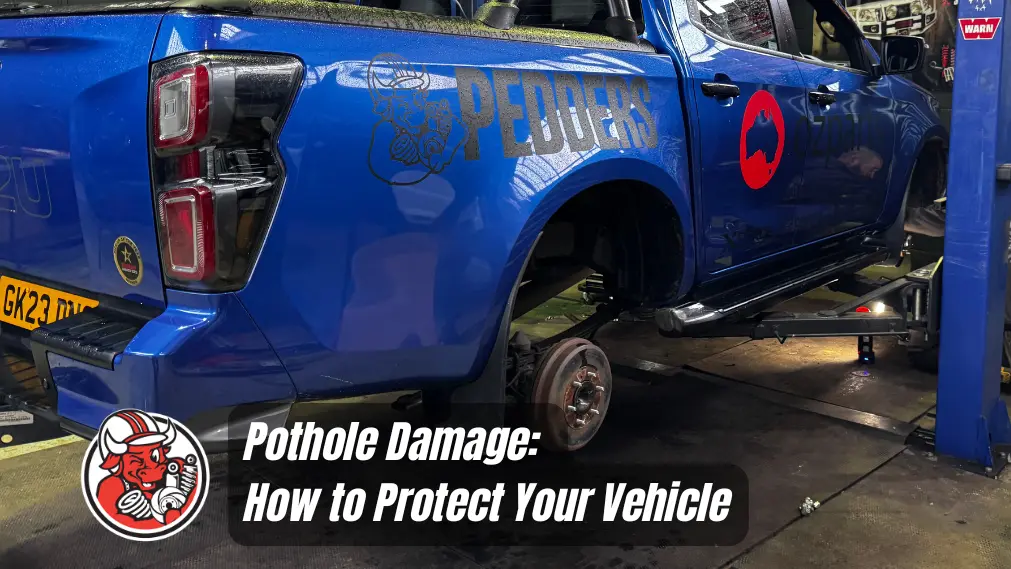
Pothole Damage: How to Protect Your Vehicle
Every driver dreads the sudden jolt of hitting a pothole. Not only can it be alarming, but the damage caused can also lead to costly repairs. Identifying pothole damage early can prevent expensive repairs by addressing issues before they worsen.
Signs like strange noises, vibrations and steering wheel problems can indicate suspension issues from a pothole hit. If these symptoms appear, it’s crucial to inspect your vehicle. Taking prompt action can minimize further damage and potentially lower repair costs.
Preventive measures can protect your car from future pothole damage. Always keep an eye out for potholes, particularly on poorly maintained roads and take photos of any encountered. If damage occurs, document the exact location to help with your compensation claims.
1. Understanding Pothole Damage
Potholes are a common issue on roads, causing various types of vehicle damage. It’s important to know how they form, how they can affect your car and what signs to watch for after hitting one.
What is a Pothole and How Does It Form?
Potholes are depressions or cavities in the road’s surface. They usually start when water seeps into small cracks in the pavement. When the temperature drops, the water freezes and expands, widening these cracks. As vehicles drive over the weakened spots, the pavement breaks apart, creating a pothole.
These holes can vary in size and depth and they often form in areas with high traffic or poor maintenance. Regular wear and tear, combined with weather changes, accelerate their formation. Knowing where potholes are likely to appear can help you avoid them and protect your vehicle.
How Potholes Damage Car Suspension Systems
Encountering a pothole can seriously affect your car’s suspension. The suspension system, which includes shocks, struts and springs, absorbs road shocks and ensures a smooth ride. When you hit a pothole, the sudden impact can damage these components.
Suspension damage might not be immediately noticeable. Over time, you might find your vehicle rides rougher, the steering wheel vibrates or there’s uneven tire wear. Consistent impacts can lead to expensive repairs, so it’s crucial to address any suspension issues promptly.
Signs Your Suspension Is Damaged After Hitting a Pothole
After hitting a pothole, be mindful of changes in your car’s performance. Listen for strange noises like clunking or rattling, which can indicate damaged suspension components. Pay attention to how your vehicle handles; if it pulls to one side, your alignment might be off.
Check your tires for uneven wear patterns or low pressure. Damaged suspension can cause tires to wear out faster on one side. Also, inspect the shocks and struts for leaks or visible damage. Addressing these signs early can prevent further deterioration and costly repairs.
How to Tell If a Pothole Damaged Your Car
Inspecting your car after hitting a pothole is key. Start by visually checking your tires for punctures or bulges. These can happen if the pothole was especially deep or sharp. If you notice odd vibrations, your wheels might be misaligned and you should get them checked.
Listen for any unusual sounds while driving. Grinding or knocking noises could hint at damage to your suspension or steering systems. If your car feels different, such as pulling to one side or having a rougher ride, it might have suffered damage.
2. Preventing and Addressing Pothole Issues
By taking the right steps, you can minimize the impact of potholes on your car. Here, we cover how to prevent damage, what to do if you hit a pothole, the costs of repair and tips to reduce future issues.
Preventive Measures to Protect Your Car
Regularly inspect your tires. Properly inflated, well-maintained tires can handle road impacts better. Check your tires’ pressure and tread often.
Avoid puddles on the road. Potholes can hide underwater, making it hard to gauge their depth. Slow down when driving.
Maintain a safe distance from other cars. This way, you can spot potholes in time and avoid sudden stops.
What to Do After Hitting a Pothole
If you hit a pothole, stop and assess the damage. Look for dents, leaks or strange noises. Take photos of the pothole and your car for evidence. Note the location, date and time.
Report the pothole to your local council or Highways England. This alerts them to the issue and might help future claims.
Understanding the Costs of Pothole Damage Repair
Repair costs vary based on the damage. Tires, wheels and suspension are commonly affected. The costs can range from minor repairs to significant fixes.
Contact your insurance company. Some might cover pothole damage under comprehensive coverage. It’s vital to check your policy details.
Local authorities often bear the responsibility for maintaining roads. If damage occurred due to poor road conditions, you might be able to claim compensation.
How to Reduce Pothole Damage in the Future
Drive carefully on roads known for poor maintenance. Avoid speeding. Report any road damage you observe. Use online forms or call your local council.
Support public funds for road maintenance by engaging with local meetings or organizations responsible for infrastructure.
3. Working Out the Claims Process
Understanding the claims process involves several steps focused on reporting, gathering evidence, filing claims and handling rejections. Each step is crucial to maximise your chances of a successful outcome.
Reporting a Pothole
To start, you need to report potholes to the responsible authority. This could be your local council, Highways England or Traffic Wales. Use precise information, including the road’s name, location and any identifying markers.
Websites for local councils often have forms specifically for this purpose. Reporting the pothole not only backs up your claim but also prompts the authority to repair the road, preventing future incidents.
Gathering Evidence
Gathering evidence is key to supporting your claim. Take photographs of the pothole and the damage it caused. Note the exact date, time and location of the incident.
Witness statements can also add weight to your claim. Use navigation apps to pinpoint the pothole’s exact location. Keeping receipts for any repairs done to your vehicle is essential as they prove the costs incurred.
Submitting an Insurance Claim
Submit your claim to either your insurance company or the local council. If your vehicle insurance includes pothole damage, contact your insurance team first.
They’ll guide you through the process. If you choose to file the claim with the council, check if they provide an online form on their website.
Fill out the claim form thoroughly and attach all your evidence. Make sure to follow up on your claim regularly to check its status.
Dealing with Rejections and Appeals
If your claim is rejected, you can appeal the decision. Review the reason for rejection and gather any additional evidence that may support your case. You may need to reach out to the authority again, providing more detailed reports or additional photographs.
Legal advice could be beneficial here. Taking your claim to a small claims court is an option if all other methods fail. While this route can be more time-consuming, it offers another opportunity to seek compensation.
Frequently Asked Questions
When it comes to pothole damage, many drivers have uncertainties about how to address issues with their vehicles. Below, we address some common concerns related to suspension damage, insurance coverage and regular maintenance.
Q: How can I tell if my suspension is damaged?
A: If you hit a pothole, you might notice some signs that your suspension is damaged. Strange noises or vibrations from your car, especially around the steering wheel, could be indicators. If your vehicle pulls to one side or the ride feels rougher than usual, it might be time to get your suspension system checked.
Q: Can pothole damage be covered by insurance?
A: Motor insurance can sometimes cover the costs of repairs resulting from pothole damage. Check with your insurance company to see if your policy includes this kind of protection. Keep records of any incident, such as the location and date when the damage occurred, to support insurance or personal injury claims.
Q: How often should I check my suspension system?
A: It's a good idea to have your suspension system inspected regularly. Include it in your routine vehicle maintenance checks. If you frequently drive on roads with a lot of potholes, consider checking your suspension more often to catch any issues early.
Last update: 2026-04-07 by admin