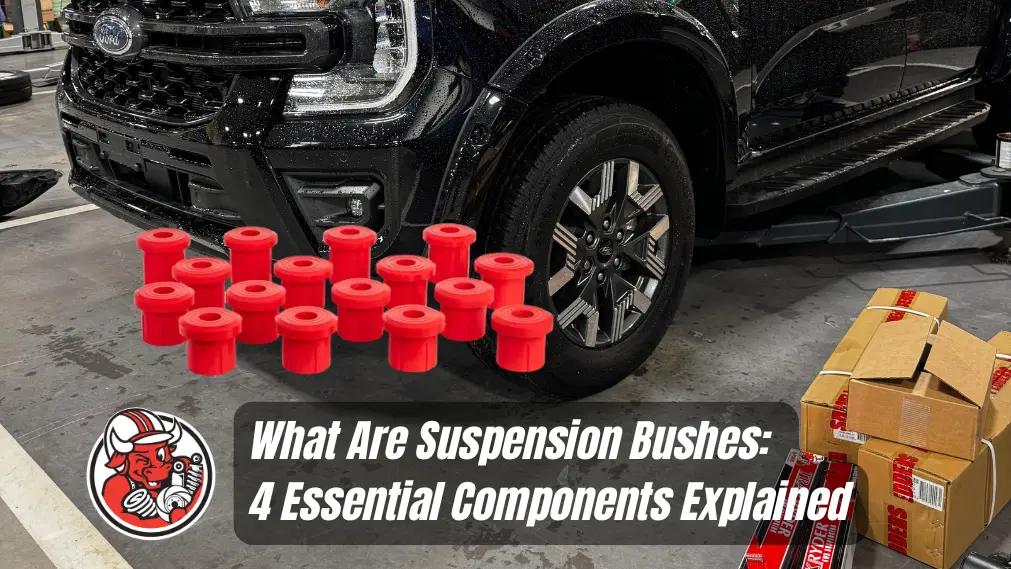
What Are Suspension Bushes: 4 Essential Components Explained
Suspension bushes are essential parts of a car's suspension system.These bushes reduce vibrations and noise from the road, helping ensure a smooth ride. You usually find suspension bushes on control arms, ball joints, stabiliser bars and shock absorbers.
They are typically made from rubber or polyurethane, which absorbs shocks when you drive over bumps or potholes. Signs of worn suspension bushes include clunking noises, uneven tyre wear and loose steering.
Replacing worn suspension bushes can improve your vehicle's handling and comfort. Driving with damaged bushes can lead to more significant issues, so it's vital to address any symptoms promptly. Knowing the importance of healthy suspension bushes can help you maintain your vehicle and enjoy a smoother driving experience.
1. Fundamentals of Car Suspension Bushes
Suspension bushes are key components in your car's suspension system. They help in reducing road vibrations and noise and keep the suspension parts working smoothly.
Definition and Role in Suspension Systems
Suspension bushes are small components, usually made of rubber or polyurethane. They act as cushions between various parts of your car's suspension system, like the control arms and the stabiliser bar.
By absorbing shocks and vibrations from the road, they prevent direct metal-to-metal contact. This helps in providing a much smoother ride, even when driving over potholes or speed bumps.
They also contribute to the stability and handling of the vehicle. Regular inspection and timely replacement of these bushes can ensure optimal performance of your suspension system.
2. Fundamentals of Car Suspension Bushes
Suspension bushes are made using different materials to serve specific functions within the vehicle's suspension system. These materials help ensure a smooth ride by absorbing shocks and reducing vibrations from the road.
Types of Suspension Bushing
Rubber Bushes: These are the most common type. They are affordable and provide good cushioning. These bushes absorb road vibrations effectively, which helps make your ride smoother. Rubber bushes are ideal for daily driving but can wear out quicker under heavy loads or extreme conditions.
Polyurethane Bushes: These are tougher than rubber. They last longer and resist wear better, making them suitable for performance and heavy-duty applications. However, they can be stiffer, which might result in a slightly rougher ride. They are more resistant to oil and chemicals compared to rubber bushes.
Metal Bushes: Some suspension bushes have a metal outer layer combined with a rubber or polyurethane inner part. Metals like steel or aluminium provide strength and durability. The inner part remains flexible, absorbing shocks and vibrations effectively. These are commonly used in high-stress areas of the suspension system.
3. Signs of Worn Suspension Bushes
Worn suspension bushes can lead to several problems in your vehicle, including unusual noises and a decrease in driving comfort and vehicle control. Look out for the following effects on vehicle handing.
Visual Inspection and Physical Symptoms
You can often spot worn suspension bushes through a visual examination. Look for cracks, tears or mushy spots on the rubber, indicating wear and tear. Bushes may also appear crumbled or heavily compressed.
Physically, worn bushes can make the ride more uncomfortable. You might feel increased vibrations or a rougher ride. These can be more noticeable on uneven surfaces.
Sometimes, worn bushes transmit unwanted noise. Clunking, rattling or squeaking sounds when driving are common indicators. Inspecting the suspension parts and bushings regularly can prevent surprises during road trips or daily driving.
Effects on Vehicle Handling and Comfort
Worn suspension bushes impact handling and comfort. They can cause the vehicle to drift or feel vague when steering. Loose or shaky steering is another sign.
This not only makes driving more difficult but also less safe. Besides steering, worn bushings can affect tyre conditions. Uneven tyre wear is a common result, leading to unnecessary expenses on replacements.
A compromised suspension affects overall ride quality. You may notice increased body roll during turns, making it harder to control the car, especially at higher speeds.
4. Maintenance and Replacement
Proper maintenance of suspension bushings ensures a smooth ride and prolongs the life of your vehicle. Replacing worn bushes is key to maintaining safety and performance.
How Long do Suspension Bushes Last?
Suspension bushes typically last between 60,000 to 100,000 miles, depending on driving conditions and maintenance. Regularly driving on rough roads or off-road terrains can cause the bushes to wear out faster.
Rubber bushes often wear out quicker than those made from polyurethane. Pay attention to signs of wear, such as abnormal creaking noises, a vague or drifting feeling in your steering wheel or excessive tyre wear. Regular inspections help catch issues before they become serious.
DIY vs Professional Replacement
Replacing suspension bushes can be a complex task.
If you have the right tools and experience, you might be able to replace them yourself. Specialist pressing tools are often required to install the new bushes properly. Incorrect installation can lead to further damage and costly repairs down the line.
Professional mechanics have the expertise and equipment to ensure the replacement is done correctly. Labour costs vary but can add to the overall expense. Consider the complexity of your suspension system and the type of bushes before deciding whether to DIY or hire a professional.
Frequently Asked Questions
Q: Are Worn Suspension Bushes an MOT Failure?
A: Yes, as suspension bushes are a crucial part of your car’s safety, excessive wear can lead to an MOT failure. They are classified as a major defect and can result in a failed MOT test.
Q: How Much does It Cost to Replace Suspension Bushes?
A: The cost to replace suspension bushes can vary depending on which parts of the car and what vehicle model it is. That said, suspension bushing replacements will generally cost between £100 and £300. If other suspension components need to be replaced, the cost can be higher. Additionally, if you hire a professional, you’ll need to pay a maintenance fee as well.
Q: Can I Drive with Worn Suspension Bushes?
A: You should not drive with worn suspension bushes. When your suspension bushes wear out, they can affect your car’s performance significantly. This is because they prevent metal-to-metal conduct, which protects the driver as well as other road users. Driving with them can result in a serious accident, as well as death or serious injuries to you and other drivers.
Replace Your Suspension Bush with Pedders Suspension
Pedders Suspension bushes provide top-quality replacements for your worn vehicle parts. These bushes are integral to maintaining a smooth ride by absorbing shocks and vibrations from the road.
Replacing old steering and suspension parts with new bushes from Pedders Suspension can improve your vehicle's control and performance.
We specialise in a range of automotive bushes made from durable rubber and polyurethane. Changing your worn suspension bushes with Pedders Suspension is straightforward when you have the right tools and parts.
Proper maintenance of suspension components like control arms, leaf spring bushings, stabiliser bars and tie rods helps prevent issues like loose steering or uneven tyre wear, ensuring safety and comfort. Contact us today at 01296 711044 to replace a range of car parts, including suspension kits, alignment, brakes and bushings.
Last update: 2026-04-07 by admin